Archives
- 2026-10
- 2026-09
- 2026-08
- 2026-07
- 2026-06
- 2026-05
- 2026-04
- 2026-03
- 2026-02
- 2026-01
- 2025-12
- 2025-11
- 2025-10
- 2025-09
- 2025-03
- 2025-02
- 2025-01
- 2024-12
- 2024-11
- 2024-10
- 2024-09
- 2024-08
- 2024-07
- 2024-06
- 2024-05
- 2024-04
- 2024-03
- 2024-02
- 2024-01
- 2023-12
- 2023-11
- 2023-10
- 2023-09
- 2023-08
- 2023-06
- 2023-05
- 2023-04
- 2023-03
- 2023-02
- 2023-01
- 2022-12
- 2022-11
- 2022-10
- 2022-09
- 2022-08
- 2022-07
- 2022-06
- 2022-05
- 2022-04
- 2022-03
- 2022-02
- 2022-01
-
In response to DSB the lesion recognition
2025-02-11

In response to DSB, the lesion recognition factor Mre11-Rad50-Nbs1 (MRN) complex helps the recruitment of ATM to the damage site and its activation by phosphorylation [29]. However, whether UV-damage recognition factors directly influence ATR and ATM recruitment and their phosphorylation is not clea
-
br Experimental procedures br Results br Discussion Although
2025-02-11
Experimental procedures Results Discussion Although previous studies have indicated that astrocyte aromatase plays a role in nociceptive processes (O'Brien et al., 2015, Smeester et al., 2016), the mechanisms responsible for the regulation of aromatase and its involvement in nociception rem
-
Researchers demonstrated that mitochondria are the main prod
2025-02-11
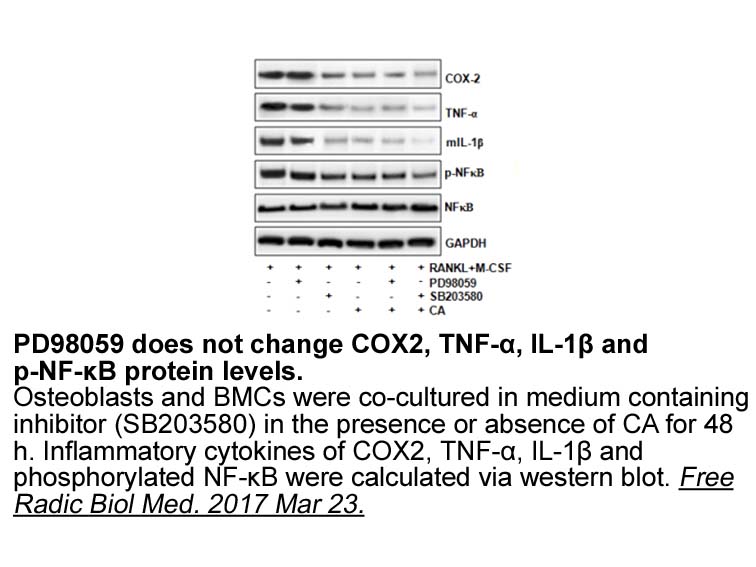
Researchers demonstrated that mitochondria are the main producers of ROS and are the most sensitive to the effects of ROS. Mitochondria-mediated apoptosis may not be limited to the role of cytochrome c in the activation of caspase-3 and ROS may provide an alternate mitochondrial signaling pathway (H
-
br Model Fig demonstrates the block scheme
2025-02-11
Model Fig. 1 demonstrates the block-scheme of main interactions between variables of the model under investigation. These interactions are described below in details and are expressed in mathematical form as well, where all variables are the functions of space and time coordinates, r and t, which
-
The proinflammatory cytokines and chemokines including IL TN
2025-02-11
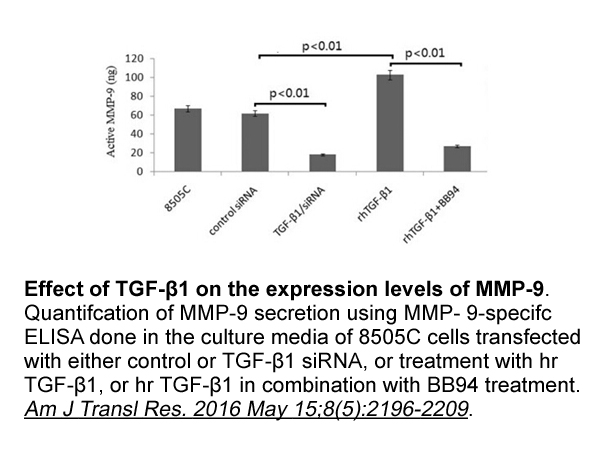
The proinflammatory cytokines and chemokines, including IL-1β, TNF-α and MCP-1, mediate acute and chronic inflammation and play a role in the development of hypertension [2, [51], [52], [53]], cardiovascular diseases [4, 54] and renal injury [55, 56] in animal models and humans. Concerning the possi
-
br Duality of interest br Contribution
2025-02-11
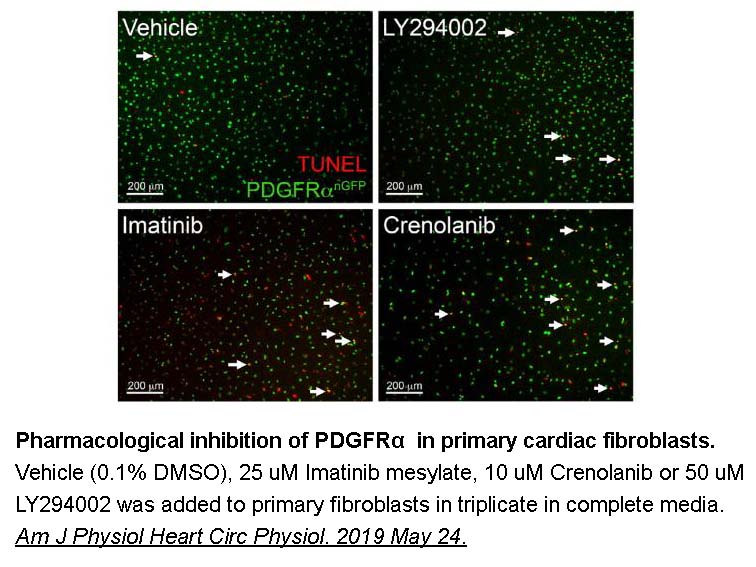
Duality of interest Contribution statement Acknowledgments Introduction Rapid, cell surface-initiated steroid actions have been reported for all major groups of steroid hormones and our understanding of membrane-mediated steroid actions has progressed rapidly over the last two decades. M
-
The functional significance of the
2025-02-11

The functional significance of the cap residues with regard to the established role of PfA-M1 in hemoglobin catabolism in the food vacuole is a key question that is difficult to address with in vitro studies. We note that three of the dipeptide substrates used in our study are found in the sequences
-
Introduction Diabetic nephropathy is a rapidly growing cause
2025-02-10
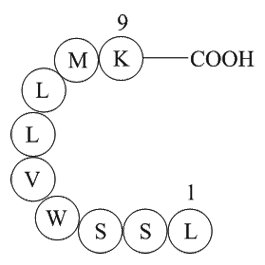
Introduction Diabetic nephropathy is a rapidly growing cause of end-stage renal disease [1]. Glomerular, tubular and vascular toxicity resulting from hyperglycemia (glucotoxicity) have been evaluated extensively at the molecular level as contributing factors for diabetic nephropathy [[1], [2], [3]]
-
The obtained results indicate that even when the impairment
2025-02-10
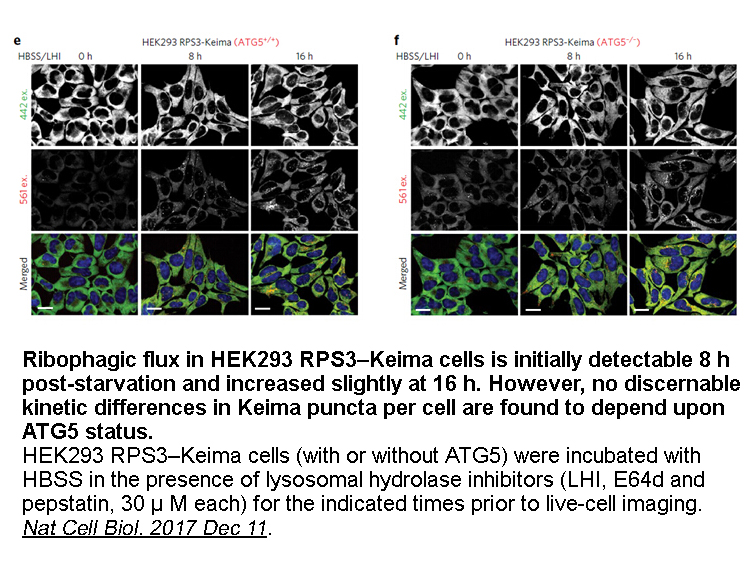
The obtained results indicate that even when the impairment of the same forms of memory are present, amnesia can develop in different ways. Impairment of memory reconsolidation in the conditioned food aversion model through both the serotonin receptor antagonist and the antagonist of NMDA glutamate
-
Moreover our results indicate that ADP
2025-02-10
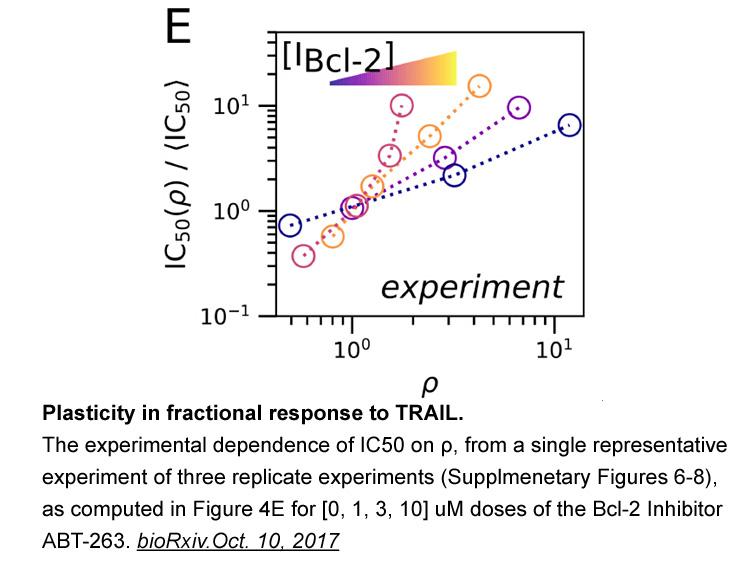
Moreover, our results indicate that ADP is by far a better phosphate donor than AMP (Table 2). Yet, the bindings of AMP and ATP are mutually exclusive, whereas the bindings of ADP and ATP are additive (Fig. 7). The multiplicity of the phosphate donors in the TgAK reaction (Tables 1 & 2), suggests th
-
br Introduction Nausea and vomiting are among the most
2025-02-10
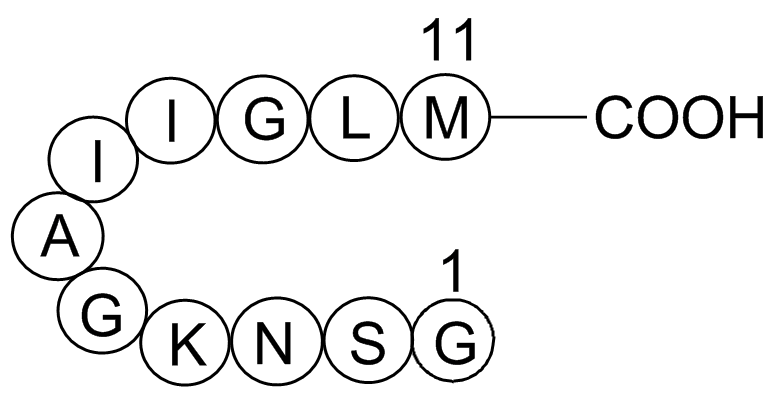
Introduction Nausea and vomiting are among the most distressing side effects associated with chemotherapy in cancer patients (Billio et al., 2010). Severe emesis can negatively affect a patient's nutritional state, ability to work and motivation, which can, in turn, interfere with the clinical co
-
Western blot results showed that the expressions of
2025-02-10
Western blot results showed that the expressions of SOCS1 and SOCS3 significantly increased after administration of rGas6 24h after MCAO (Fig. 7A–C p Discussion After ischemic stroke, inflammation has been shown to be an important secondary injury mediator in patients, as well as in animals (Herz
-
Of note core autophagy factors also play an
2025-02-10
Of note, core autophagy factors also play an important role during the infection of host cells by another type of picornavirus, namely, echovirus 7. ATG16L1 was found necessary for entry/internalization into Caco-2 polarized epithelial cells because the virus accumulated on the surface of ATG16L1-de
-
Recent studies have indicated that V
2025-02-10
Recent studies have indicated that V-ATPase activity negatively regulates vacuolar fusion in vivo[17]. Since we have demonstrated that the pah1Δ 3230 have a more acidic vacuolar pH than the WT cells, and the genes involved in the pump activity are upregulated compared to WT, the pah1Δ cells' acidity
-
br Materials and methods br Results br
2025-02-10
Materials and methods Results Discussion Despite the relative complexity of immunotherapy, such treatment may have an important role, in conjunction with other therapies in the treatment of cancer refractory to conventional treatments alone. Clinical studies have recently shown that adding
8024 records 51/535 page Previous Next First page 上5页 5152535455 下5页 Last page